Environmental, Social Responsibility, Gender Equality and Inclusion
At Wildlife Portugal, our commitment to sustainable nature tourism goes beyond respect for nature and environment, it also includes respect for human rights and the promotion of an organisational and social environment that values gender equality and inclusion for all people.
Environment and Local Communities
Throughout our tours and activities, we adopt a conscious commitment to environmental safeguarding by implementing measures aimed at minimising negative impacts and promoting positive environmental outcomes, including the reduction of pollution, waste and greenhouse gas emissions.
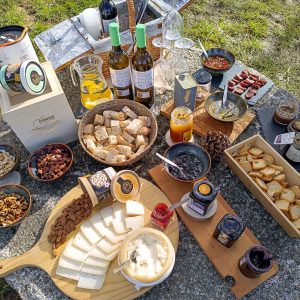
We prioritise local products and sustainable partners, encourage the use of public transport and promote responsible consumption practices among our clients and collaborators.
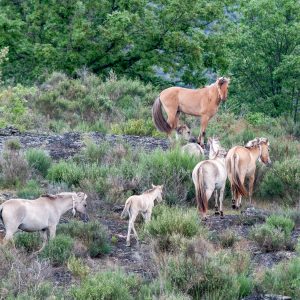
By operating in low-density territories, we actively contribute to the economic and social revitalisation of these regions, supporting local initiatives and generating employment opportunities and meaningful community engagement.
Gender Equality and Inclusion
Wildlife Portugal recognises gender equality, diversity and inclusion as essential pillars of our organisational culture and public operations. We believe that a fair and inclusive environment strengthens our team, enriches our clients’ experiences and reflects the values we stand for.
-
Equal opportunities – We promote equal treatment across all areas of the company, ensuring that women and men have access to the same development, leadership and participation opportunities.
-
Inclusive environment – We actively prevent discrimination of any kind (including gender, sexual orientation, origin, beliefs and abilities), ensuring that everyone feels valued, respected and empowered.
-
Public commitment and transparency – We publicly communicate our commitment to gender equality and inclusion, transparently outlining the actions and policies implemented to ensure that all internal and external communications reflect these principles.
-
Continuous awareness and training – We promote ongoing awareness and training within our team on inclusive practices, respectful language and diversity.
Our mission is not only to provide transformative nature experiences, but also to contribute actively to a more just, diverse and inclusive society.
We are active members of the Wild Côa Network.
Through our activities, we are financially supporting habitat management and conservation actions, which promote the coexistence and return of wild species to the Greater Côa Valley, under the responsibility of Rewilding Portugal.